
Common Residential Plumbing Problems in Hood River County Homes and How to Prevent Them
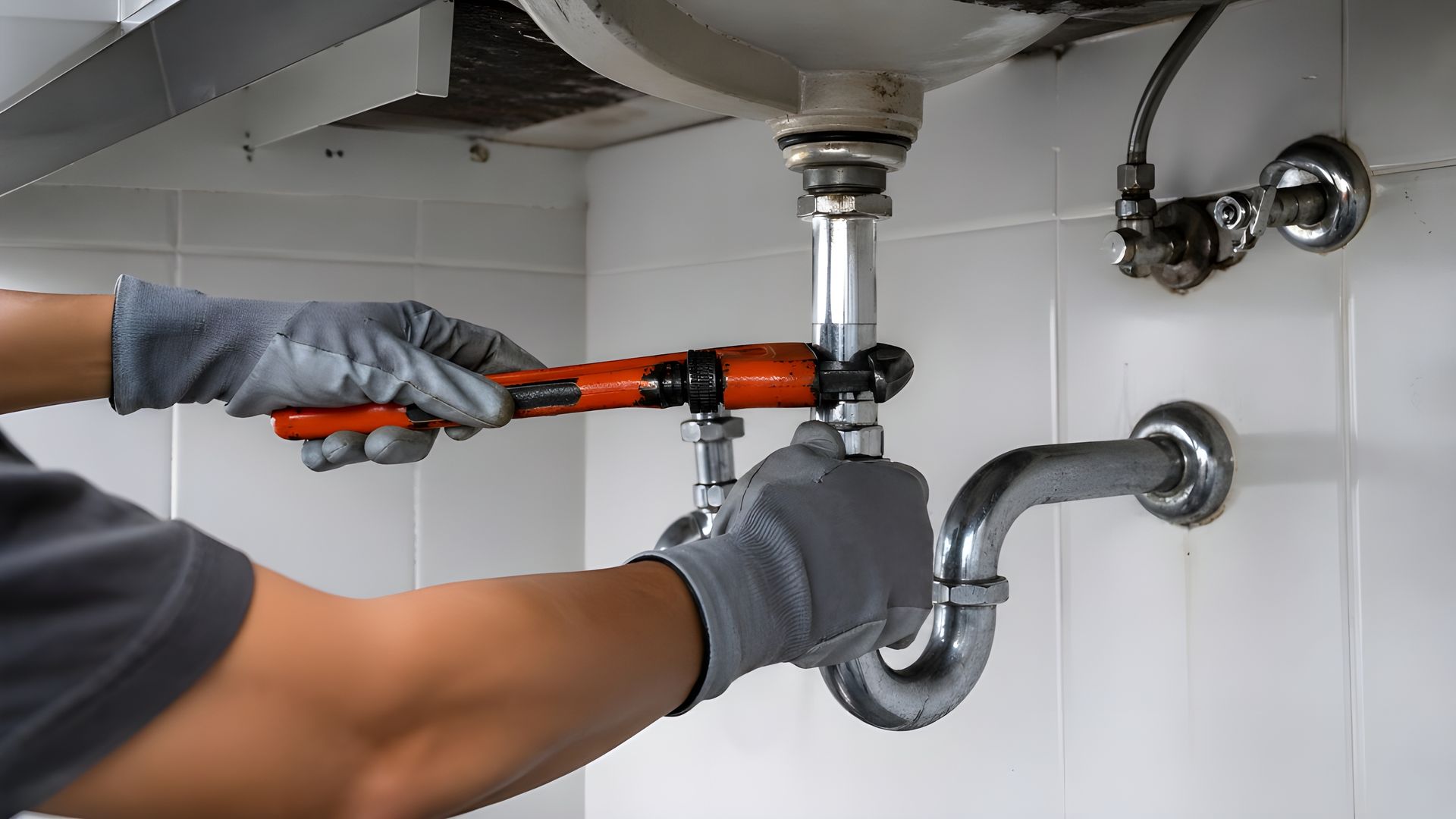
Homes in Hood River County, OR, face a distinct mix of climate pressures and aging infrastructure that makes residential plumbing problems both common and preventable. Whether you are dealing with frozen pipes, hard water, or corroded fixtures, understanding the challenges specific to this region can save you time, money, and stress.
Why Hood River County Homes Face Unique Plumbing Challenges
Hood River County sits in a transition zone in the Columbia River Gorge, where conditions shift from temperate rainforest near Cascade Locks to colder, drier air moving in from the east. Homes in the Hood River, OR, area can experience wide temperature swings, high winter humidity, and hard freeze events that stress pipes from multiple directions. Many homes were also built decades ago, adding aging infrastructure into the mix.
The Most Common Residential Plumbing Problems in Hood River Homes
Frozen and Burst Pipes in Winter
Hood River averages roughly 79 mornings per year below freezing, and cold easterly Gorge winds can bring sudden temperature drops. Pipes in unheated crawl spaces, garages, or exterior walls are especially vulnerable. When water freezes and expands inside a pipe, the pressure can crack or burst it entirely. Prevention tips include insulating exposed pipes before November, keeping cabinet doors open during cold snaps, and letting a faucet trickle on the coldest nights.
Hard Water and Mineral Buildup
Much of Hood River County's water passes through volcanic basalt aquifers, which add dissolved minerals to the supply. Over time, those minerals build up inside pipes, water heaters, and fixture aerators, reducing flow and shortening equipment life. Signs include white crusty deposits around faucets and a shorter-than-expected water heater lifespan. Periodically flushing your water heater, cleaning aerators, and asking a plumber about water softening options can help.
Aging Pipes and Corroded Fixtures
Homes built before the 1980s may still contain galvanized steel or cast-iron pipes that corrode from the inside out, causing rust-colored water, reduced pressure, and pinhole leaks. If your home is more than 40 years old and has never had a residential plumbing inspection, schedule one. A licensed plumber can determine whether repiping is needed before a small leak becomes a major repair.
Slow Drains and Sewer Line Issues
Mature tree roots near older homes can invade sewer lines in search of moisture, causing partial or full blockages. Higher winter rainfall in the western county can also raise groundwater pressure around sewer pipes, sometimes causing backups. If multiple drains are slow at the same time or you hear gurgling from drains, the main sewer line likely needs attention.
Water Heater Failures
Water heaters work harder during Hood River County's cold winters, and mineral buildup accelerates wear on heating elements and tank interiors. Flushing your water heater annually removes sediment and extends its useful life. Lukewarm water, rumbling sounds, or pooling water near the base of the unit are all signs it is time for a professional inspection.
Seasonal Maintenance Checklist for Hood River Homeowners
- Fall: Insulate exposed pipes in crawl spaces, garages, and attics. Disconnect and drain outdoor hoses and shut off exterior spigots. Flush your water heater. Have your main sewer line inspected if it has not been done in several years.
- Winter: Keep your thermostat set no lower than 55°F even when away. Let faucets drip during hard freezes. Know where your main water shutoff is so you can act quickly if a pipe bursts.
- Spring: Inspect pipes and joints for freeze-thaw damage. Clean faucet aerators and showerheads. Check under sinks and around the water heater for moisture or staining.
- Summer: Check outdoor irrigation connections for leaks. Have slow drains professionally assessed before wet fall weather arrives.
Frequently Asked Questions
How do I know if my pipes are frozen?
If you turn on a faucet and get little or no water after a hard freeze, a frozen pipe is likely. Shut off the main water supply immediately and call a licensed plumber. Do not attempt to thaw pipes with open flames.
Does hard water damage plumbing over time?
Yes. Mineral deposits gradually narrow pipes and reduce flow, and appliances like water heaters and dishwashers often show the effects first. Have your water tested and ask a plumber about residential plumbing treatment options.
When should I call a plumber instead of trying a DIY fix?
Call a licensed plumber when you see water staining on walls or ceilings, notice a sudden drop in pressure throughout the house, hear banging or gurgling from pipes, or experience a drain backup affecting more than one fixture.
How often should I have my plumbing inspected?
For homes over 20 years old in Hood River County, an inspection every two to three years is reasonable. Homes with original galvanized or cast-iron pipes may benefit from annual checks.
What should I do if a pipe bursts?
Shut off the main water supply immediately, protect belongings in the affected area, and call a licensed plumber for emergency repair. Document damage with photos for insurance purposes.
Ready to Protect Your Home? Let the Local Experts Help
Pronto Plumbing Service has been serving the Columbia Gorge area for decades, handling everything from frozen pipe repairs and drain cleaning to water heater service and full repiping. The team understands the local climate, the age of the area's housing stock, and the residential plumbing challenges that come with both.
If you are dealing with a plumbing issue now or want to schedule a preventive inspection, contact the team online or explore the full list of residential plumbing services available for Hood River, OR, homeowners. You can also call the Hood River line directly at (541) 490-0463 or reach the main office at (509) 493-1124. For reviews and directions, visit Pronto Plumbing Service on Google. Day or night, the goal is the same: fix it right.



